
January is the perfect time for a fresh start, and there's no better place to begin than with your business finances. If you're staring at a pile of receipts, wondering where your bank statements went, or realizing you haven't reconciled your accounts in months, you're not alone. Most small business owners struggle with keeping their financial records organized and their bookkeeping current.
The good news? It's never too late to get things back on track. With the right approach and a clear plan, you can organize your financial mess and establish systems that keep you current all year long.
Why Getting Organized Matters
Before diving into the how-to, let's talk about why this matters. Disorganized financial records don't just create stress: they cost you money. You might miss tax deductions, pay late fees, or make poor business decisions because you don't have accurate financial information. Plus, if the IRS comes knocking, you'll need those organized records to support your tax returns.
Having organized books also helps you understand your business better. When you can easily see where money is coming in and going out, you make smarter decisions about spending, pricing, and growth.
Step 1: Gather Everything in One Place
Start by collecting all your financial documents from everywhere they might be hiding: your desk drawers, email inbox, car glove compartment, that mysterious box in the closet. You're looking for:
- Bank and credit card statements
- Invoices and receipts
- Bills and vendor statements
- Payroll records
- Tax documents from previous years
- Any contracts or agreements
Don't worry about organizing as you gather. Just get everything in one spot so you can see what you're working with.

Step 2: Sort and Purge
Now comes the fun part: sorting through everything. Create basic piles: keep, scan and file digitally, or toss. Generally, you should keep business records for at least three years (the IRS can audit that far back), but some documents like tax returns should be kept longer.
Toss outdated items like old utility bills from years ago, but be careful not to throw away anything you might need. When in doubt, keep it for now: you can always purge more later.
Step 3: Set Up Your Chart of Accounts
Your chart of accounts is like the filing system for your financial data. It's a list of all the categories where you'll track income and expenses. Most accounting software comes with standard templates, but you'll want to customize it for your specific business.
Common expense categories include:
- Office supplies
- Marketing and advertising
- Professional services
- Travel and meals
- Equipment purchases
- Rent or mortgage
Keep it simple but detailed enough to give you useful information about where your money goes.
Step 4: Choose Your Record-Keeping Method
You have two main options: physical filing or digital storage. Many businesses use a combination of both.
Physical Filing:
Create folders for different document types or time periods. Use a consistent naming system and organize chronologically with the most recent documents in front. This works well if you prefer hard copies or deal with contractors who only provide paper receipts.
Digital Filing:
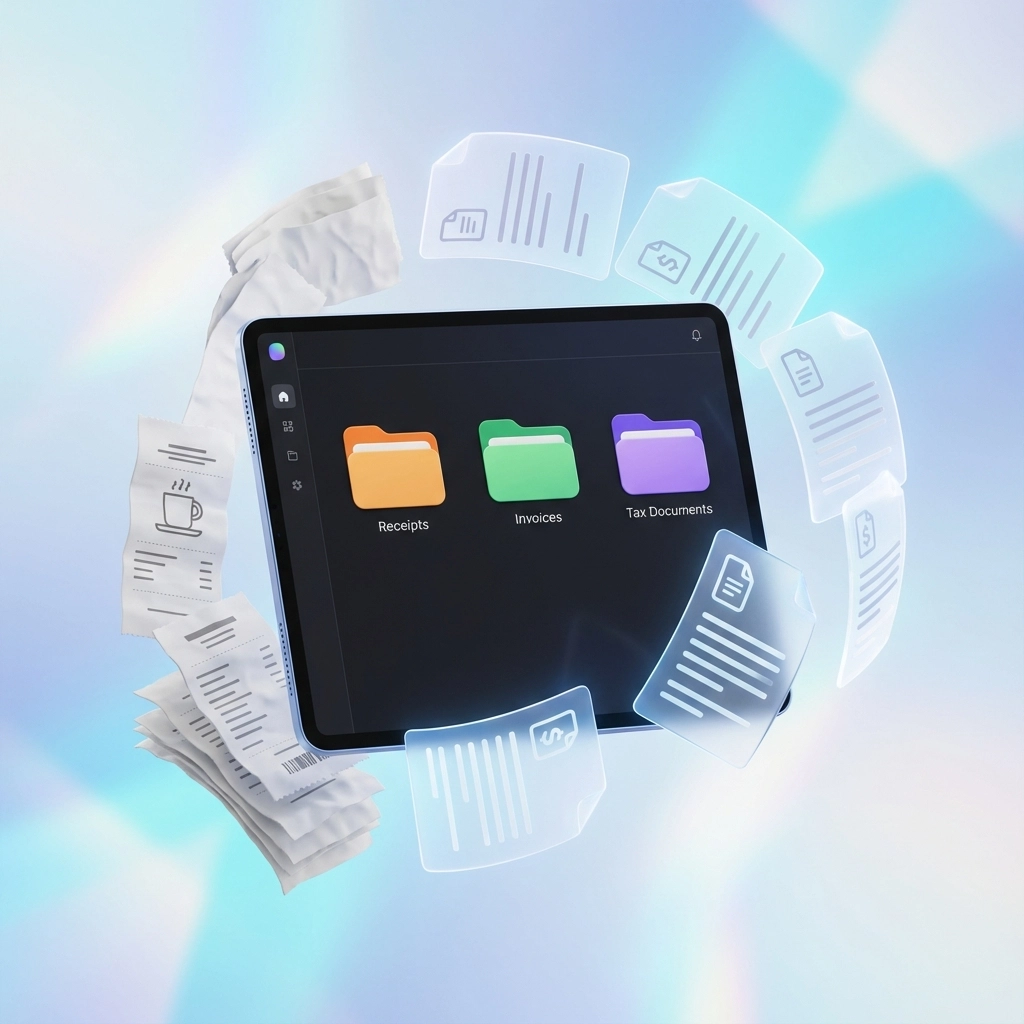
Scan documents and save them to cloud storage with clear file names. Use a format like "2025-01-15_Office-Supplies-Receipt" to make searching easy. Digital storage saves space and makes documents easier to find, but requires good backup systems.
Step 5: Pick the Right Accounting Software
If you're still using spreadsheets (or worse, shoeboxes), it's time to upgrade. Good accounting software automates many tasks and reduces errors. Popular options include:
QuickBooks Online: The most widely used option with lots of features and integration options. Great for most small businesses.
Xero: Known for excellent bank reconciliation features and a user-friendly interface.
Zoho Books: A more affordable option that still offers solid functionality for smaller businesses.
Don't get overwhelmed by all the features: start with basic income and expense tracking, then add more advanced features as you learn the system.
Step 6: Set Up Your Banking
If you haven't already, open a separate business checking account. This is crucial for keeping personal and business expenses separate, which makes bookkeeping much easier and is required if you're incorporated.
Consider getting a business credit card too. Using one card for most business expenses consolidates your transactions and makes monthly reconciliation simpler.
Step 7: Establish Daily and Weekly Routines
Here's where most people go wrong: they organize everything, then let it get messy again. Prevent this by establishing simple routines:
Daily (5 minutes):
- Take photos of receipts with your phone
- Record any cash transactions
- File documents in their proper spots
Weekly (30 minutes):
- Review and categorize bank transactions
- Pay bills and record payments
- Update any missing information
Monthly (1-2 hours):
- Reconcile bank and credit card statements
- Review profit and loss reports
- Follow up on outstanding invoices
Step 8: Catch Up on Back Bookkeeping
If you're months behind, catching up can feel overwhelming. Start with the most recent month and work backwards. Focus on:
- Recording all income first
- Categorizing major expenses
- Reconciling bank statements
- Don't worry about perfection: aim for accuracy on significant items
Break it into chunks: maybe tackle one month per week until you're current.
Creating Long-Term Success
Once you're caught up and organized, maintaining good records becomes much easier. The key is consistency. It's better to spend 15 minutes every few days than to let things pile up for months.
Consider setting up automatic processes where possible. Many banks offer automatic transaction downloads to accounting software. Use recurring bill pay for regular expenses. The more you can automate, the less manual work you'll have to do.

When to Get Professional Help
Sometimes, the best solution is admitting you need help. If you're severely behind, dealing with complex transactions, or just don't have the time to tackle this yourself, working with a professional can save you stress and ensure everything is done correctly.
At Books on the Go CPA Firm, we specialize in helping small businesses get their bookkeeping caught up and organized. Our bookkeeping catch-up service is just $250 per month, and we'll work with you to get your records current and establish systems that keep them that way.
We understand that every business is different, so we customize our approach based on your specific needs and situation. Whether you're three months behind or three years behind, we can help you get back on track without the overwhelm.
Moving Forward with Confidence
Getting your financial records organized and your bookkeeping caught up isn't just about compliance: it's about taking control of your business. When you know where you stand financially, you can make better decisions, plan for the future, and sleep better at night.
Remember, this is a process, not a one-time event. Be patient with yourself as you establish new habits and systems. The important thing is to start, even if everything isn't perfect.
If you're feeling overwhelmed or just want to ensure everything is done right, contact Books on the Go CPA Firm today. We're here to help you get organized, catch up, and stay on top of your finances all year long. Your future self will thank you for taking this important step toward better financial management.
